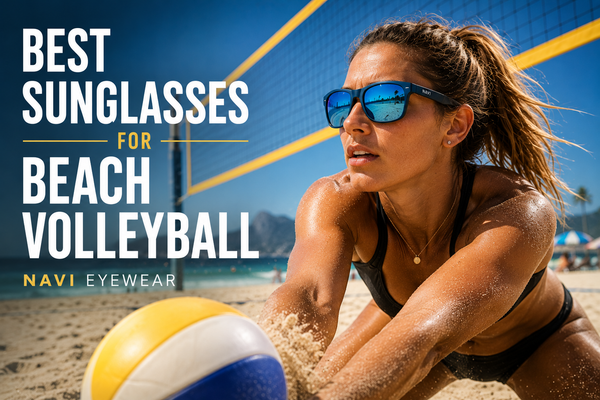
Beach volleyball combines the highest UV exposure environment in outdoor sport with extreme glare from sand and water, physical dive-and-roll impact demands, and salt spray that degrades standard lens coatings. This guide covers the lens, frame, and coating specs that work for beach volleyball — recreational through competitive.
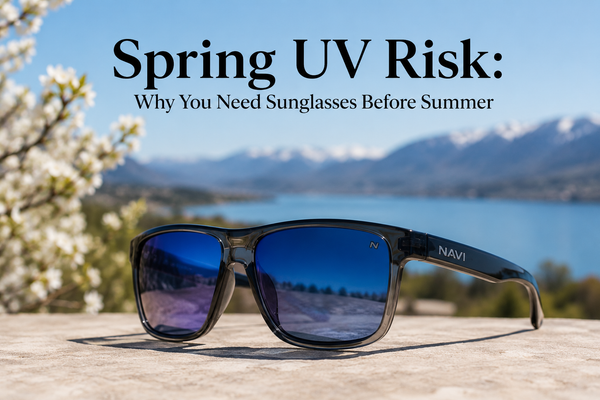
Spring UV risk is systematically underestimated because UV intensity rises faster than temperatures — and sun protection habits follow temperature, not UV. This guide covers what actually happens to UV in spring, why March and April carry real eye health risk, and how to protect your eyes before summer feels like it's here.
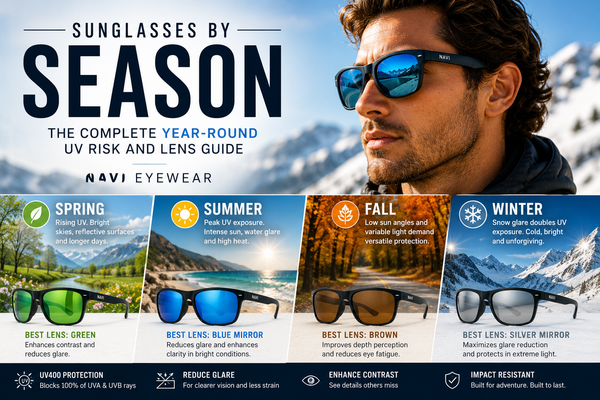
Most people treat sunglasses as a summer accessory. UV radiation doesn't. This complete guide covers UV risk by season, how light conditions and sun angle change across the year, what lens category and tint to use in each season, and why year-round UV protection is the only approach that matches how UV actually works.
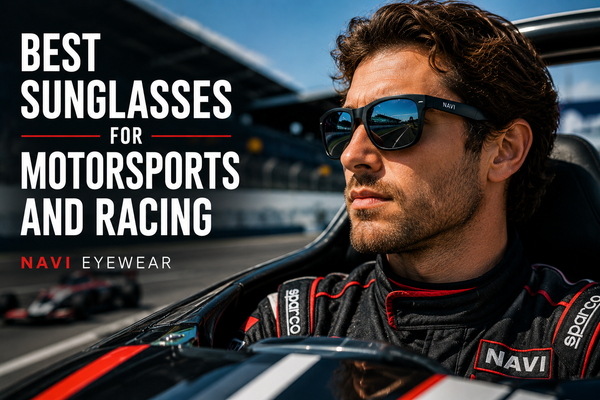
Motorsports — go-kart racing, motocross, autocross, track days, and open-cockpit racing — demand eyewear that handles high-speed wind, vibration, UV, and debris simultaneously. This guide covers the lens tint, frame security, and coating specifications that work across the motorsports spectrum from recreational kart days to competitive racing.
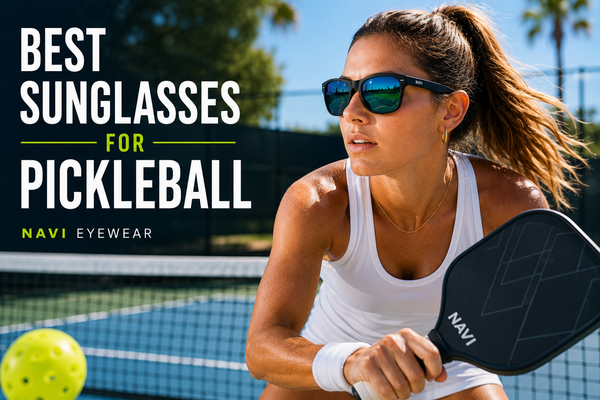
Pickleball is one of the fastest-growing outdoor sports in America — and its smaller courts, fast ball speeds, and predominantly 50+ player base create a specific UV and visual performance case for proper eyewear. This guide covers the best lens tint, polarization, and frame specs for pickleball at every level.
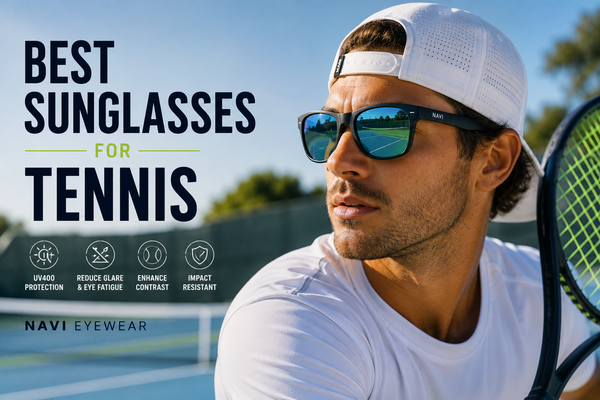
Tennis courts are some of the most visually demanding outdoor environments in sport — hard court glare, overhead serve tracking, rapid lateral movement, and 2+ hours of peak UV exposure per match. This guide covers exactly what lens tint, polarization level, and frame design gives tennis players the best visual performance and UV protection.
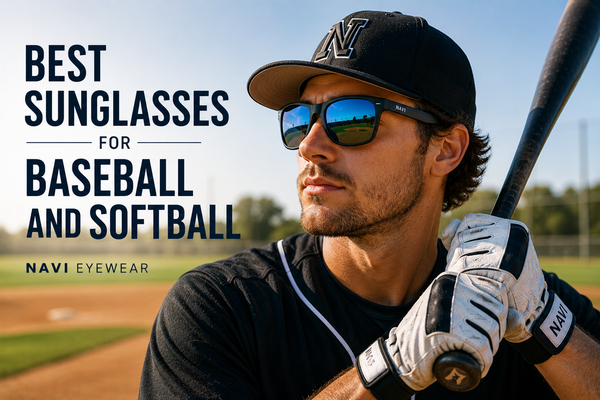
Baseball and softball create some of the most demanding visual conditions of any outdoor sport — sky tracking, ball-versus-sky contrast, infield glare, and hours of peak UV exposure. This guide covers the lens science, tint choices, position-specific recommendations, and frame specs that matter most for diamond sports.
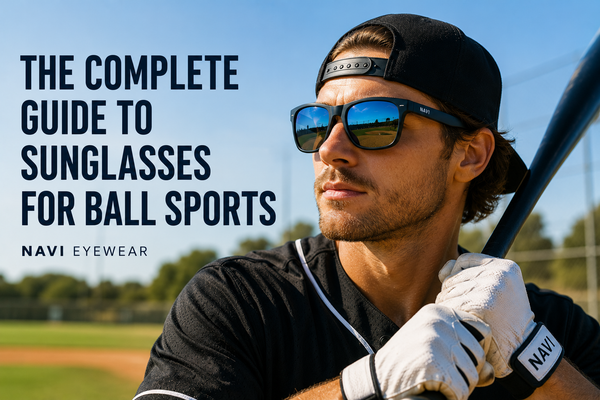
Ball sports put unique demands on sunglasses: sky tracking, fast object movement, intense glare from playing surfaces, and high-impact contact risk. This complete guide covers every major ball sport, the lens science behind performance, and how to choose sunglasses that protect and perform across baseball, softball, tennis, pickleball, soccer, volleyball, and more.
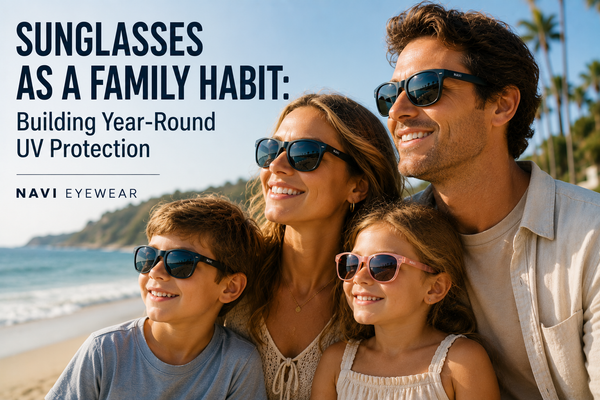
The most durable sun protection habit isn't built through reminders or rules — it's built through family culture, consistent modeling, and routine design. This guide covers how to build year-round UV protection as a genuine family habit that outlasts childhood and continues into adult life.
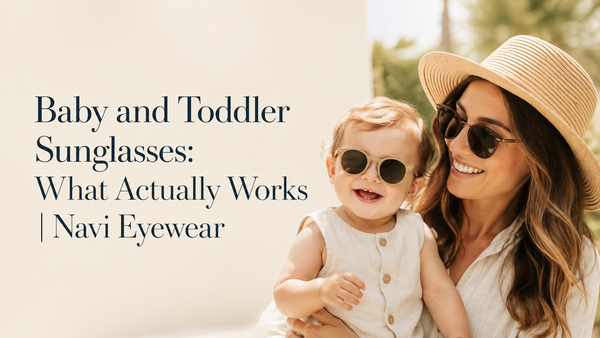
Baby and toddler sunglasses are one of the most frustrating categories for parents — the stakes are high, the compliance is low, and the market is full of decorative frames with no real UV protection. This guide covers what actually works, by age, from 6 months through 3 years.
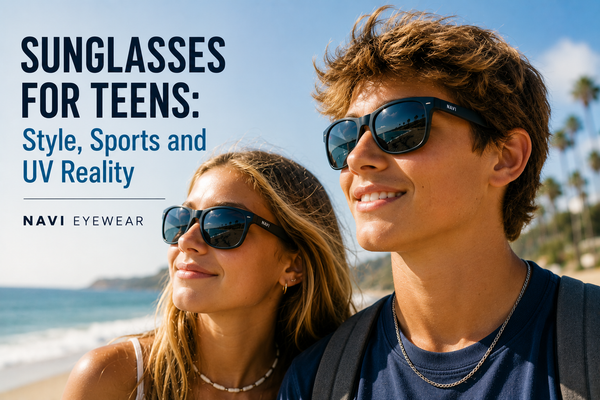
Teenagers face a unique sun protection challenge: the UV damage is real and cumulative, but style and social context drive compliance more than health arguments. This guide covers lens science, sport performance, style identity, and how to get teenagers to actually wear UV protection.
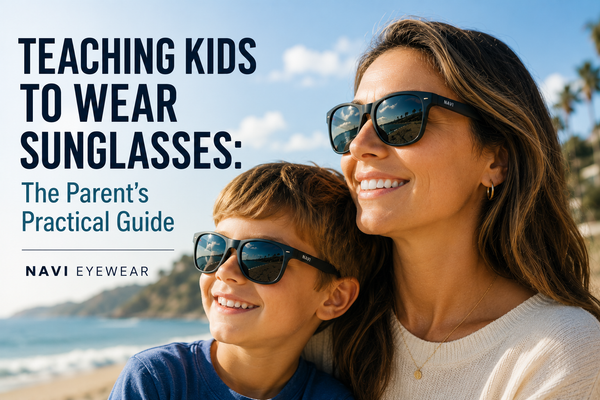
Getting kids to consistently wear sunglasses is one of the most common parent frustrations in sun safety. This guide covers age-specific strategies, the psychology of compliance, how to handle refusal, and how to make UV protection a lasting family habit.
Be the first to read about our new arrivals, latest interviews, and newsletter exclusives by signing up below.
