UV at 15,000 feet is 140–180% higher than sea level. Snow reflects 80% of that UV from all below-eye angles simultaneously. Photokeratitis can occur in under an hour without proper protection. This guide covers the lens category, coverage, and specification for every altitude tier from 8,000-foot Colorado trails to Himalayan expedition routes.
Extreme environments — high altitude, desert heat, arctic conditions, open ocean, and industrial outdoor settings — push sunglasses beyond the demands of everyday use. UV intensity, temperature extremes, mechanical stress, saltwater corrosion, and reflective surfaces each impose specific requirements on lens, frame, coating, and hardware. This guide covers what extreme environments demand and the spec that meets those demands.
Sunglasses don't have a fixed expiration date — service life is determined by use intensity, care practices, and which component degrades first. The UV400 protection in polycarbonate lasts indefinitely; coatings last 1–5 years; frames vary by material and care. This guide covers realistic service life expectations and the signs that tell you it's time to replace.
Sunglasses that slide, pinch, or sit crooked are almost always a fit problem — not a frame defect. Nose pad position, temple arm angle, and temple tip fit can all be adjusted to achieve a stable, comfortable fit without an optician. This guide covers which adjustments can be done at home and how to do them correctly.
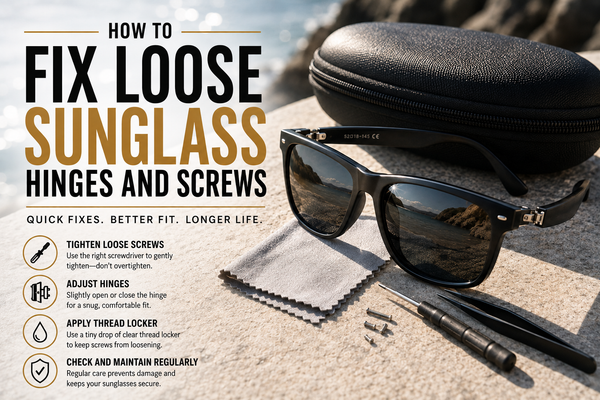
A loose sunglass hinge is the most common frame repair — and it's fixable in under two minutes with a precision screwdriver that costs $3. This guide covers how to tighten hinge screws, what to do when screws are stripped or missing, and how to keep hinges functioning for the full service life of the frame.
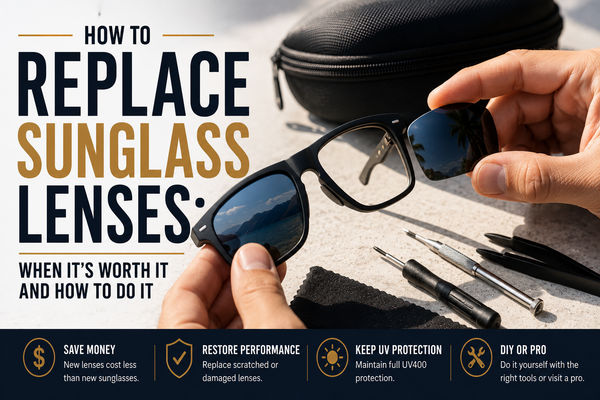
Lens replacement can extend the life of a quality frame — but it's not always straightforward, and it's not always the right economic decision. This guide covers when lens replacement makes sense, how to do it for common frame types, and when it's more practical to replace the whole pair.
Most lens scratches come from cleaning, not from drops or impacts. The right cleaning sequence — rinse first, mild soap, microfiber only — prevents the dry-wipe abrasion that destroys coatings. This guide covers the correct method, what to avoid, and how to clean every type of lens contamination without damage.
Most sunglasses fail prematurely from preventable damage — lens scratches from dry wiping, coating degradation from improper cleaning, hinge failure from saltwater corrosion, and frame warping from heat. This complete guide covers how to clean, store, maintain, and extend the life of your sunglasses so they perform as well in year two as they did on day one.
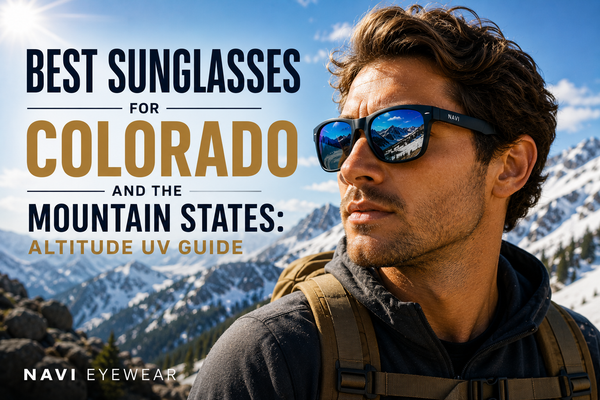
Colorado and the Mountain West have a UV profile unlike any other region in the US — high elevation dramatically amplifies UV year-round, and snow adds a second amplifier in winter. Denver residents at 5,280 feet receive 25% more UV than sea-level cities at the same latitude. This guide covers the right lens spec for Denver, the ski resorts, Rocky Mountain hiking, and the broader Mountain West.
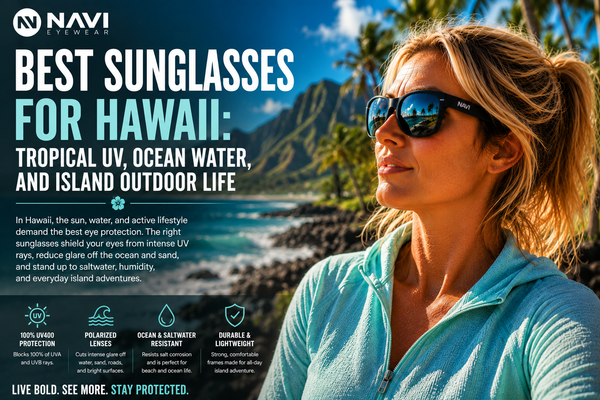
Hawaii sits at 19–22 degrees north latitude — the most tropical US state and the highest UV environment in the country. Ocean reflection, volcanic altitude, and year-round outdoor culture create a UV environment that demands the most complete specification available. This guide covers the right lens setup for Oahu, Maui, the Big Island, and Kauai.
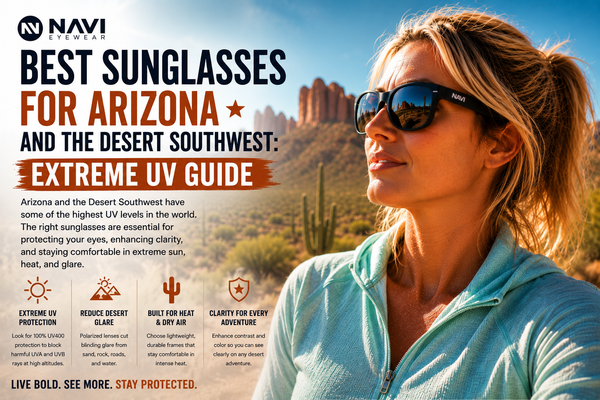
Arizona has some of the highest UV indexes in the continental US — low latitude, high altitude, minimal cloud cover, and highly reflective desert terrain combine to create an extreme UV environment year-round. This guide covers the right lens spec for Phoenix, Tucson, Sedona, the Grand Canyon, and the broader Desert Southwest.
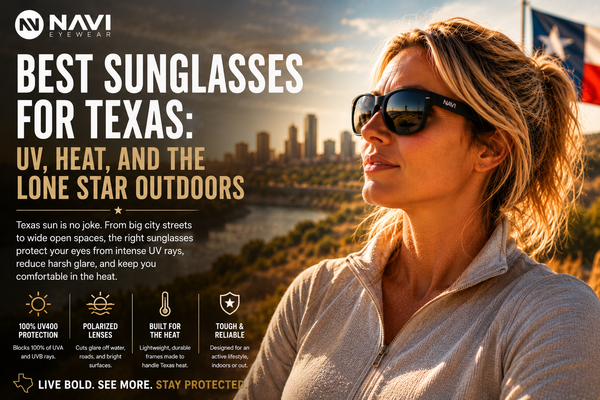
Texas spans desert, Gulf coast, Hill Country, and plains — each with its own UV profile and outdoor demands. With year-round warm weather, intense summer UV, and a driving and outdoor culture that keeps Texans outside year-round, UV400 protection is a year-round priority. This guide covers the right lens setup for Texas's distinct environments.
Be the first to read about our new arrivals, latest interviews, and newsletter exclusives by signing up below.
